Xiaomi SU7 Ultra Under Fire: Hood Controversy Sparks Refund Demands – What Went Wrong? (May 2025)
Xiaomi, the Chinese tech behemoth, made a spectacular entry into the electric vehicle market, with its SU7 series, particularly the high-performance SU7 Ultra, generating immense buzz and initial sales success. However, by May 2025, the flagship SU7 Ultra found itself at the center of a significant controversy, primarily concerning an expensive optional carbon fiber hood. Accusations of misleading marketing led to a wave of customer complaints and demands for refunds. This article delves into the specifics of the “hood-gate” scandal, examines Xiaomi’s response, explores any broader quality concerns, and discusses the potential implications for the ambitious new player in the hyper-competitive EV arena.
1. The SU7 Ultra: High Hopes Meet Unexpected Hurdles
Xiaomi’s Bold Entry into the Performance EV Segment

SU7 Ultra Reported Problems? [image source mi.com]
Initial Reception and Sales Buzz
The launch was met with considerable excitement. Pre-order numbers for the SU7 series were reported to be exceptionally strong, reflecting Xiaomi’s powerful brand recognition and the appeal of its product offering. The SU7 Ultra, in particular, was seen as a statement vehicle, showcasing the company’s engineering ambitions. However, the honeymoon period proved to be shorter than anticipated as specific issues began to surface.
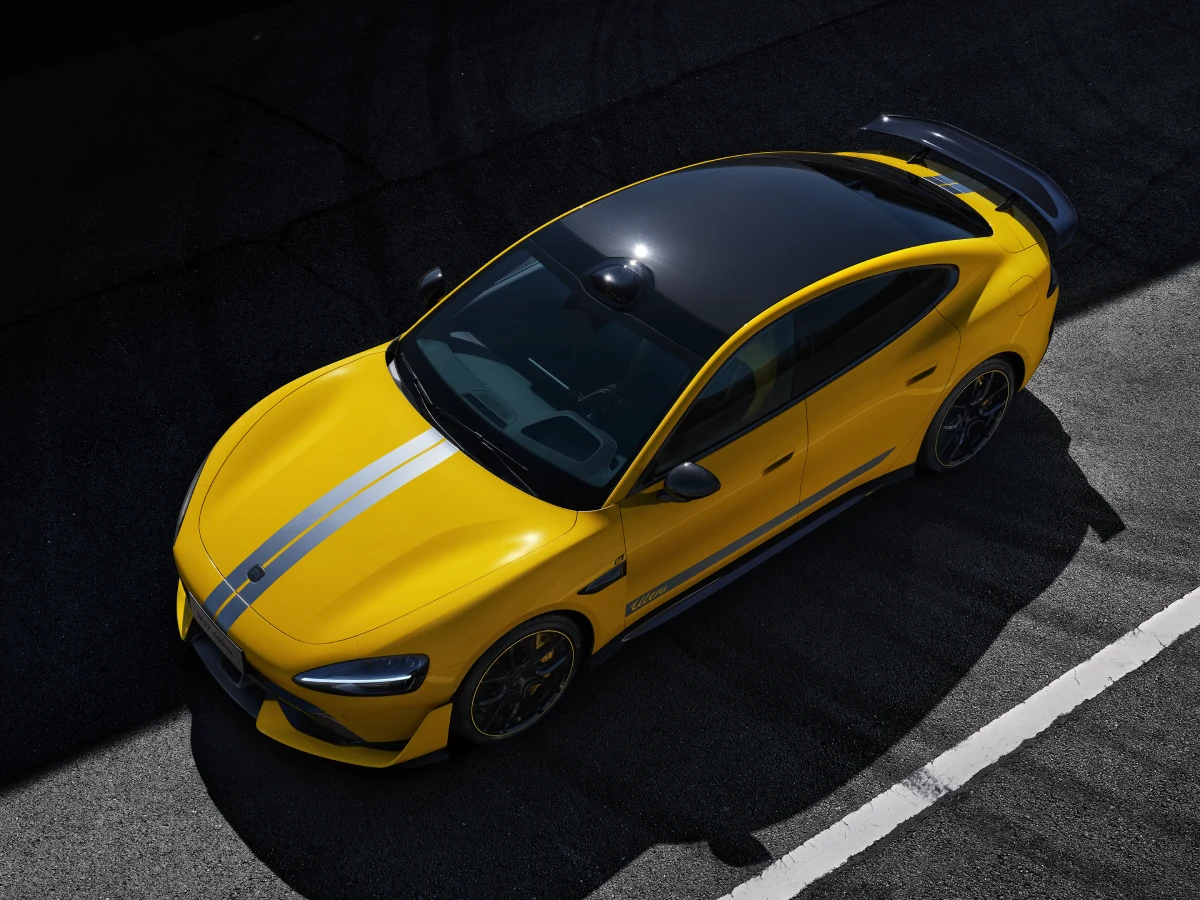
Xiaomi SU7 Ultra EV Car [image credit mi.com]
2. The “Carbon Fiber Hood-gate”: What Sparked the Outcry?
Marketing vs. Reality: The Disputed Air Ducts
The primary catalyst for the widespread customer dissatisfaction surrounding the SU7 Ultra in early May 2025 was an optional “carbon fiber dual air duct hood.” This add-on, priced at a significant 42,000 yuan (approximately $5,800 USD), was marketed by Xiaomi as a “track-level cooling design” intended to enhance airflow and improve the cooling of certain vehicle components, implying a functional performance benefit.
However, a number of automotive bloggers and testers in China soon conducted their own investigations. Their findings, widely circulated online, suggested that these prominent air ducts on the carbon fiber hood were largely, if not entirely, decorative. Demonstrations, such as placing tissue paper near the vents which showed no movement when air was directed at the hood, and examinations of the underlying structure (which reportedly showed no significant difference or functional ducting compared to models without the option), fueled accusations of misleading advertising. For many buyers who had paid a premium for this feature believing it offered tangible performance gains, this was a major point of contention.
Customer Reactions: From Disappointment to Refund Demands
The reaction from SU7 Ultra owners and those who had placed orders with the optional hood was swift and strong. Social media platforms and automotive forums saw a surge of complaints. Hundreds of customers reportedly expressed feelings of being deceived and began demanding full vehicle refunds or the cancellation of their existing orders. The perceived discrepancy between the marketed functionality and the apparent aesthetic-only nature of the expensive option became a focal point of consumer anger, leading to negative press and even impacting Xiaomi’s stock price temporarily.
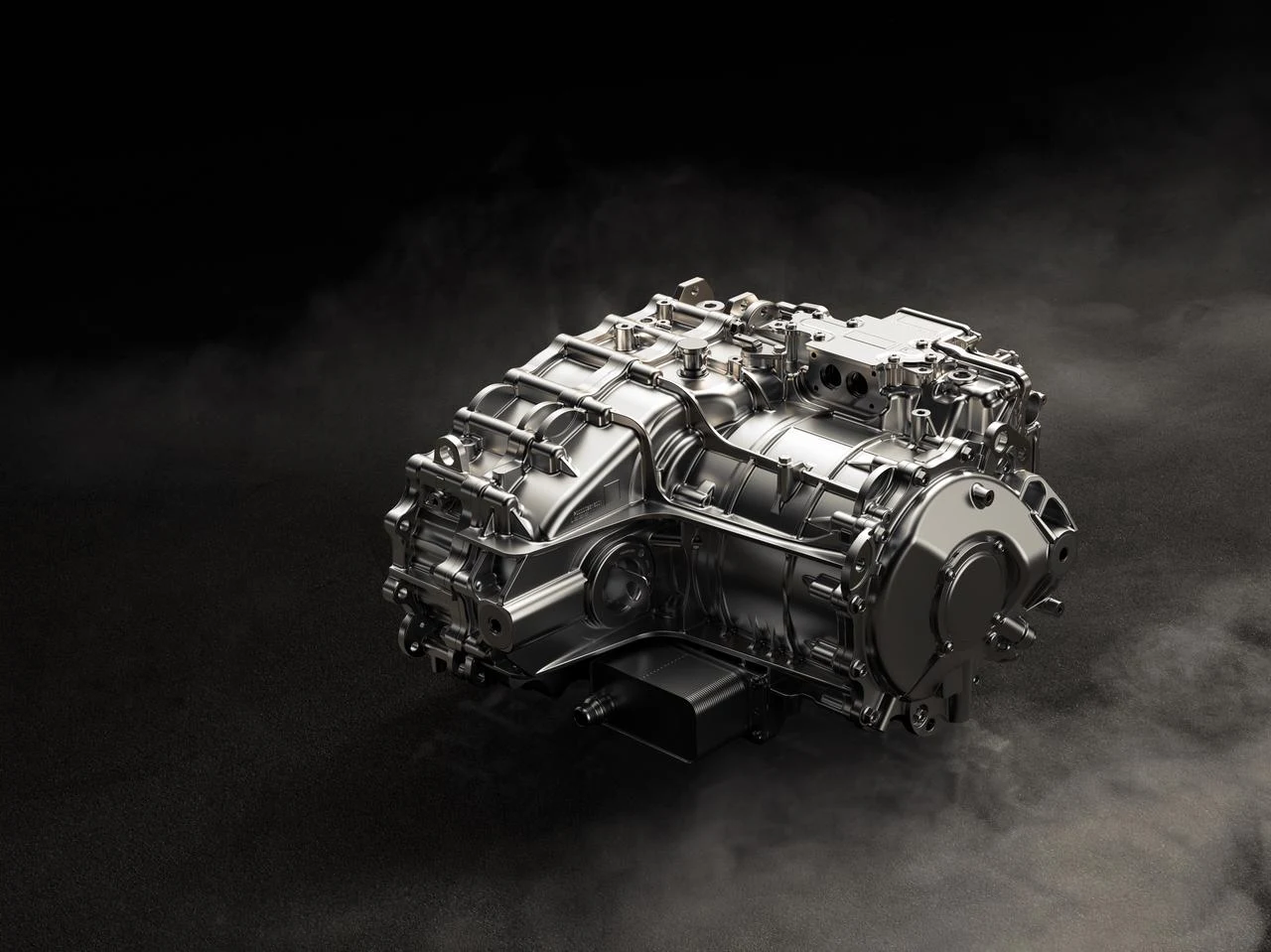
HyperEngine V8s Xiaomi SU7 Ultra EV High Performance Punch 1130kw [image credit mi.com]
3. Xiaomi’s Response: Apology, Compensation, and Lingering Questions
The Official Statement and Corrective Measures
Facing mounting pressure, Xiaomi Auto issued a public apology around May 7th-8th, 2025. In its statement, the company addressed the concerns surrounding the carbon fiber hood, as well as some other early issues like conditions for unlocking a “Ranking Mode” feature. Xiaomi acknowledged the customer feedback and launched a compensation plan for those affected by the hood issue. The specifics of the compensation varied, but the company attempted to clarify the design’s intent and origin.
Is the Compensation Plan Enough for Aggrieved Buyers?
Despite the apology and the offer of compensation, many reports indicated that a significant number of affected consumers did not find Xiaomi’s proposed solution satisfactory. The core grievance for many remained the principle of the alleged misleading marketing, and demands for full refunds for the vehicle, not just compensation for the hood option, persisted from some quarters.
Context: Addressing Other Early SU7 Ultra Concerns
It’s worth noting that prior to the hood controversy, some early SU7 Ultra owners had also reported issues with performance throttling. Users found that the car’s peak output could be limited after short periods of hard driving, impacting its track day usability. Xiaomi reportedly addressed this particular concern via an Over-The-Air (OTA) software update, which was said to restore the advertised performance capabilities. However, this earlier issue may have contributed to a heightened sensitivity among performance-focused Ultra buyers when the hood duct questions arose.
4. Broader Context: Quality Scrutiny and Brand Impact
The SU7 Line and Recent Quality Rankings
Adding to the complexity, a mid-May 2025 report highlighted that the broader Xiaomi SU7 model line (not specific to the Ultra) had placed last among 29 Chinese large battery electric sedans in the Q1 2025 China Automobile Quality Ranking. This ranking, compiled by the state-run China Automobile Quality Network based on owner complaints and potential defect rates relative to sales, while not solely about the Ultra or the hood issue, contributed to a wider discussion about the initial quality and potential teething problems for Xiaomi’s first-generation EVs.
Potential Impact on Xiaomi’s EV Reputation and Future Sales
For a new entrant into the highly competitive EV market, especially one leveraging a strong existing brand reputation like Xiaomi, early perceptions of product quality, marketing transparency, and customer service are crucial. The SU7 Ultra controversy, regardless of how widespread the actual functional impact of the hood is, has the potential to dent consumer trust if not handled with utmost care and transparency. How Xiaomi navigates these early challenges will be critical for the long-term reputation and sales trajectory of its EV division.
Lessons for New Entrants in the Competitive EV Market
This situation underscores the intense scrutiny new automotive products face, particularly those from high-profile tech companies venturing into new territory. It highlights the importance of meticulously aligning marketing claims with actual product functionality, ensuring robust pre-launch testing, and having agile and effective customer communication and resolution strategies in place.
5. Navigating the Storm: What Happens Next for Xiaomi and SU7 Ultra Owners?
Ongoing Dialogue and Potential Resolutions
The situation remains dynamic as of mid-May 2025. Ongoing discussions between affected SU7 Ultra owners, consumer protection groups (if involved), and Xiaomi will likely determine the final resolutions for those seeking refunds or further compensation. The effectiveness of Xiaomi’s customer service in addressing these individual and collective grievances will be closely watched.
The Importance of Transparency in Automotive Marketing
This incident serves as a stark reminder to all automakers about the critical importance of clear, accurate, and transparent marketing. In an age of social media and rapid information dissemination, any perceived discrepancy between a product’s advertised benefits and its real-world performance or features can quickly escalate into a significant brand challenge.
Conclusion: A Bump in the Road for Xiaomi’s Ambitious EV Journey
The controversy surrounding the Xiaomi SU7 Ultra’s optional carbon fiber hood, coupled with other early teething issues, represents a significant early challenge for Xiaomi’s otherwise highly anticipated EV venture. While the company has apologized and offered compensation for the hood issue, the core concerns about misleading marketing have resonated strongly with some consumers. How effectively Xiaomi addresses these grievances, learns from these initial missteps, and reinforces its commitment to quality and transparency will be pivotal in shaping public perception and ensuring the long-term success of its ambitious journey in the electric vehicle industry. The company’s ability to navigate this storm will be a key indicator of its resilience and adaptability in this demanding sector.
Actionable Takeaways
- For Potential SU7 Buyers (All Trims): It’s always wise to conduct thorough due diligence. Scrutinize optional extras for their actual value and benefits, cross-reference marketing claims with independent reviews and owner forums, and don’t hesitate to ask dealerships detailed questions.
- For Current SU7 Ultra Owners (especially those with the carbon fiber hood): Stay informed about official communications from Xiaomi regarding compensation or resolution pathways. Engage with official customer service channels and reputable owner groups to understand your options.
- For Industry Watchers: This episode underscores the immense pressure and scrutiny on new EV entrants, especially high-profile tech companies. It highlights the critical need for robust quality control from launch and absolute clarity in marketing, particularly for premium-priced features.
- For All Consumers: The power of collective consumer feedback and independent reviews is evident. Holding manufacturers accountable for their claims is crucial for a healthy and transparent marketplace.
Further Reading
- In-Depth Review: The Standard Xiaomi SU7 – Performance, Tech, and Value (2025)
- Decoding EV Marketing: How to Spot Real Benefits vs. Hype
- China’s EV After-Sales Service: What to Expect from New Brands
- The Role of Automotive Bloggers and Independent Testers in the EV Era