Mapping the Dragon’s Fleet: Your Guide to Established & Upcoming Chinese EV Manufacturers (2025)
The Chinese electric vehicle (EV) market isn’t just booming; it’s a universe of its own, rapidly expanding and reshaping the global automotive landscape. As of 2025, this dynamic ecosystem is characterized by a fascinating mix of established automotive giants rapidly electrifying their lineups, agile and innovative EV-dedicated startups, disruptive tech behemoths entering the fray, and a constellation of ambitious sub-brands. Understanding who’s who in this electrifying race is key to grasping the future of mobility. This guide will navigate you through China’s leading established EV powerhouses, the pivotal startups that redefined electric mobility, the tech giants making bold automotive plays, other key players to watch, and a look at what the future might hold in this ever-evolving arena.
1. The Titans: China’s Established EV Powerhouses
These are the large, often state-backed or long-established private automotive groups that have pivoted aggressively towards electrification, leveraging their vast manufacturing experience, resources, and extensive dealership networks.
BYD: The Undisputed Global Leader
No discussion of Chinese EVs can begin without BYD (Build Your Dreams). Having surpassed Tesla in global EV sales in late 2023, BYD’s dominance is built on its deep expertise in battery technology (with its innovative Blade Battery) and a vertically integrated supply chain. Its EV offerings span a wide range, from the affordable Seagull and Dolphin to the popular Han sedan and Tang SUV under its Dynasty and Ocean series. BYD is also aggressively expanding its premium footprint with distinct sub-brands:
- Denza: A joint venture with Mercedes-Benz, now majority-owned by BYD, focusing on premium MPVs and SUVs.
- Yangwang: An ultra-luxury brand showcasing BYD’s cutting-edge technology, with models like the U8 off-roader and U9 supercar.
- Fang Cheng Bao: Focused on professional-grade off-road and “new-fun” personalized vehicles, like the Bao 5 SUV.
Geely Holding Group: A Galaxy of Electric Brands
Geely has strategically assembled a vast portfolio of domestic and international brands, each with a distinct electric focus. This “galaxy” approach allows it to target multiple market segments simultaneously.
- Geely Auto: The core brand offering a range of affordable EVs and hybrids, like the Galaxy series.
- Zeekr: A premium EV brand known for its performance-oriented models (001, 007, X) and advanced technology, increasingly integrating with Lynk & Co for scale.
- Volvo Cars: The Swedish brand, under Geely ownership, is rapidly transitioning to a fully electric lineup with models like the EX30, EX90, and EC40.
- Polestar: A performance EV brand spun off from Volvo, focused on design and sustainability, with models like the Polestar 2, 3, and 4.
- Lynk & Co: A youth-focused brand offering stylish, connected vehicles with a strong emphasis on hybrid and plug-in hybrid technology, increasingly sharing platforms with Zeekr.
- Lotus Tech: The iconic British sports car maker, reinvented as an electric performance brand with models like the Eletre SUV and Emeya hyper-GT.
- Smart: Revitalized as an EV-only brand in a joint venture with Mercedes-Benz, focusing on compact urban EVs like the Smart #1 and #3.
- Radar Auto: A brand focused on electric lifestyle adventure vehicles, including electric pickup trucks.
SAIC Motor: State-Owned Giant’s Electric Offensive
As one of China’s largest automakers, state-owned SAIC Motor has a multi-pronged EV strategy through various brands:
- MG (Morris Garages): The revived British brand has found significant success globally, especially in Europe and Asia-Pacific, with affordable EVs like the MG4, MG5, and ZS EV.
- IM Motors (Zhiji Motor): A premium EV brand in partnership with Alibaba and Zhangjiang Hi-Tech, offering technologically advanced models like the L7 sedan and LS6/LS7 SUVs.
- Roewe: Offers a range of NEVs, including EVs and PHEVs, primarily for the domestic market.
- Wuling: Through its joint venture SGMW (SAIC-GM-Wuling), it produces the incredibly popular Wuling Hongguang Mini EV and other affordable micro-EVs like the Bingo and Air EV.
- Maxus: SAIC’s commercial vehicle arm, offering electric vans (e.g., eDeliver series) and MPVs.
Great Wall Motor (GWM): Electrifying SUVs and Beyond
GWM, traditionally known for its SUVs, is increasingly electrifying its diverse brand portfolio:
- Ora: A dedicated EV brand with a focus on retro-modern, stylish city cars appealing to a younger demographic (e.g., Good Cat/Funky Cat, Ballet Cat).
- Wey: GWM’s premium SUV brand, increasingly focusing on high-end PHEVs with long electric ranges (e.g., Coffee series like Latte, Mocha).
- Tank: Known for rugged off-road SUVs, Tank is introducing powerful hybrid (HEV) and PHEV versions of models like the Tank 300, 400, and 500, with plans for more electrification.
- Haval: GWM’s mass-market SUV brand, which is also incorporating hybrid and PHEV options into its popular models.
GWM had previously announced plans to launch over 50 electrified vehicles by 2025, signaling a strong commitment.
Chery Automobile: Expanding its Electric Horizons
Chery, another major state-owned enterprise, is rapidly expanding its NEV offerings across several brands:
- Chery NEV: The core brand’s new energy division, offering popular models like the QQ Ice Cream (micro-EV) and eQ series.
- Exeed (Sterra): Chery’s premium brand, which is launching high-end EVs and range-extended vehicles under the Sterra series (ES sedan, ET SUV).
- Jetour: A brand focused on stylish and spacious SUVs, rapidly incorporating PHEV options like the Traveller T2.
- iCar: A newer EV brand targeting younger buyers with unique, “boxy” designs like the iCar 03. There has been some recent brand repositioning with iCar models potentially reverting to the Chery label for certain vehicles.
- Luxeed: While a collaboration with Huawei (see below), Chery is the manufacturing partner for the Luxeed S7 sedan.
2. The Innovators: Dedicated EV Startups That Made a Mark
These companies, often emerging around the mid-2010s, started with a primary or sole focus on electric vehicles, bringing fresh perspectives on technology, user experience, and business models.
Nio: Premium Service & Battery Swap Pioneer
Nio has positioned itself as a premium EV manufacturer known for its high-quality vehicles (ES and ET series SUVs and sedans), exceptional customer service (“Nio Houses”), and its pioneering battery-as-a-service (BaaS) and battery swapping technology. This allows users to quickly swap depleted batteries for fully charged ones, addressing range anxiety. Nio is also expanding its reach with new sub-brands targeting broader market segments:
- Onvo (Alps): Launched in 2024, this brand targets the mainstream family car market with more affordable models, still benefiting from Nio’s charging and swapping network.
- Firefly (Dom L): A future brand expected to focus on smaller, more budget-friendly EVs, potentially for European markets initially.
Xpeng: Tech-Focused Challenger with an ADAS Edge
Xpeng (Xiaopeng Motors) emphasizes in-house development of core technologies, particularly its advanced driver-assistance systems (ADAS) marketed as XNGP, and smart cockpit features. Key models include the P7 and P5 sedans, and G6 and G9 SUVs. Xpeng is also expanding its portfolio:
- Mona: A new sub-brand launched in 2024, targeting the mass market (around RMB 150,000 segment) with a focus on “AI-defined” smart EVs, leveraging Xpeng’s tech expertise at a more accessible price point.
Li Auto: Range-Extended & Premium Family SUV Specialist
Li Auto (LiXiang) carved out a successful niche by initially focusing on premium range-extended electric vehicles (EREVs), which use a gasoline engine as a generator to charge the battery, eliminating range anxiety for family SUV buyers. Popular models include the L7, L8, and L9. More recently, Li Auto has launched its first BEV, the Mega MPV, signaling a strategic shift to also include pure electric models while continuing its EREV success.
3. The Disruptors: Tech Giants Rewiring the Auto Industry
Some of China’s largest technology companies are now making significant inroads into the EV market, either by manufacturing cars themselves or by providing core intelligent systems.
Xiaomi: From Smartphones to the SU7 Sensation
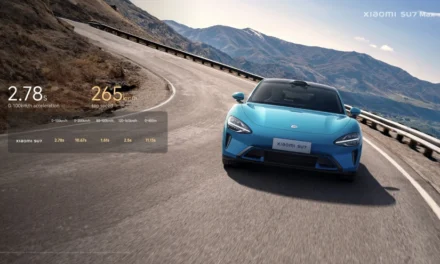
Consumer electronics giant Xiaomi made a massive splash with the launch of its first EV, the SU7 sedan, in early 2024. Leveraging its brand appeal, tech prowess (HyperOS integration), and aggressive pricing, the SU7 quickly garnered huge attention and order numbers. Xiaomi is manufacturing its own vehicles and has ambitious plans, with the YU7 SUV expected as its next model. Their entry signifies a new wave of competition focused on smart, connected vehicles.
Huawei: The Smart Powerhouse Behind the Wheel
While Huawei maintains it doesn’t build cars itself (under its own brand), it has become a dominant force by providing comprehensive EV solutions and partnering with traditional automakers through its **HIMA (Huawei Intelligent Mobility Alliance)** model. Key collaborations include:
- Aito (Seres): Offering popular models like the M5, M7, and M9 SUVs, equipped with Huawei’s HarmonyOS cockpit and ADS (Autonomous Driving System).
- Luxeed (Chery): The S7 sedan is the first model from this collaboration, focusing on executive smart sedans.
- Stelato (BAIC BluePark/Arcfox): A newer collaboration expected to produce high-end smart electric sedans.
Huawei’s deep expertise in software, connectivity, AI, and sensors makes its involvement highly influential.
4. More Key Players & Brands to Watch
Beyond the giants and high-profile startups, several other players are making significant contributions and are worth watching.
Joint Ventures & Collaborations
- Avatr Technology (Changan, Huawei, CATL): This collaboration produces premium, intelligent EVs like the Avatr 11 SUV and Avatr 12 gran coupe, with a new Avatr 07 model (offering BEV and PHEV) recently unveiled for 2025. They heavily feature Huawei’s intelligent systems and CATL’s batteries.
- Denza (BYD & Mercedes-Benz): Already mentioned under BYD, but its JV nature (though BYD is now the dominant partner) makes it a notable collaboration success story, especially with models like the D9 MPV.
SOE Spinoffs & Focused Brands
- Deepal (Shenlan – Changan Auto): A successful NEV brand from Changan, offering stylish sedans (SL03) and SUVs (S7, new S05) with both BEV and EREV options.
- IM Motors (SAIC, Alibaba, Zhangjiang Hi-Tech): Already under SAIC, its strong tech partnerships position it as a premium intelligent EV player.
- Arcfox (BAIC BluePark): BAIC’s premium EV brand, collaborating with Huawei on some models and exploring European expansion.
Value & Volume Challengers
- Leapmotor: Known for offering feature-rich EVs at competitive prices. It has gained significant attention through its recent joint venture with Stellantis, which aims to leverage Leapmotor’s technology for global markets, starting with Europe.
- Hozon Auto (Neta): Another brand focused on affordable smart EVs, Neta has achieved significant sales volumes in China and is actively expanding into Southeast Asia and other international markets.
5. The Horizon: Emerging Trends and What’s Next?
The Chinese EV landscape is far from static. While the major players are consolidating their positions, new dynamics are always emerging.
The Challenge for New Entrants
With the market becoming increasingly crowded and competitive, and capital investment requirements being enormous, it’s becoming significantly harder for entirely new, unknown startups to emerge and gain traction compared to a few years ago. The bar for entry in terms of technology, funding, and supply chain access is very high.
Consolidation vs. Proliferation
While some analysts predict consolidation (mergers and acquisitions) among the numerous smaller players, we also see a continued trend of major groups launching new sub-brands to target specific niches or demographics. This suggests a complex evolution rather than simple contraction.
Focus on Niche Segments & Further Tech Integration
Expect to see more brands trying to differentiate by targeting specific niche segments (e.g., ultra-luxury, dedicated off-road, specific lifestyle vehicles). The drive for even deeper integration of AI, autonomous driving capabilities, and unique in-car experiences will continue to be a key battleground. Global expansion will remain a major theme for successful Chinese brands.
Conclusion: Navigating China’s Ever-Expanding EV Universe
The sheer number and diversity of Chinese EV manufacturers in 2025 are a testament to the country’s ambition and capacity for innovation in the new energy vehicle sector. From global giants like BYD and multifaceted groups like Geely to pioneering startups like Nio and tech disruptors like Xiaomi and Huawei, the landscape is rich and fiercely competitive. This environment is not just shaping the future of mobility within China but is increasingly setting the pace and direction for the entire global automotive industry. Understanding these key players and their strategies is crucial for anyone interested in the electrifying journey ahead.
Actionable Takeaways
- For Buyers: Don’t just look at the parent company logos. Delve into the diverse offerings and specific focus areas of sub-brands like Zeekr (Geely), IM Motors (SAIC), Ora (GWM), Onvo (Nio), or Denza (BYD) to find the EV that truly matches your needs and preferences.
- For Investors: The Chinese EV market is ripe with opportunity but also fraught with intense competition. Carefully differentiate between the strategies and backing of various players – state-owned enterprises, established private companies, venture-backed startups, and tech giants each come with different risk/reward profiles.
- For Enthusiasts: Keep a close watch on the collaborations, particularly those involving tech giants like Huawei (with its HIMA alliance) and the new model launches from the sub-brands of established players. This is often where the most cutting-edge technology, design innovations, and market-disrupting features appear first.